
Visualizing a planet
in crisis.
The Tardigrade turns facts on biodiversity loss, the illegal wildlife trade, and climate change into visually rich, data-driven biodiversity data stories — named for one of the toughest animals on Earth, and built to inspire hope in the face of a biodiversity crisis.
Why This Project Exists
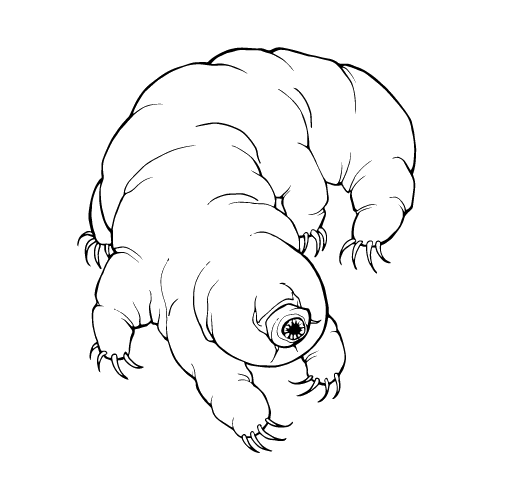
Our oceans are overfished and choked with plastic. We lose roughly 20 million acres of forest every year, and countless species are traded toward extinction. Tardigrades — also known as water bears or moss piglets — are the toughest animals on Earth, able to survive even the vacuum of space. We borrow a little of their resilience here, and use it to frame the science below.
One million species are at risk of extinction
Biodiversity has declined sharply over the past 50 years — a loss so severe it will likely take millions of years for Earth to recover.
Even insects, which we tend to think of as resilient, aren't being spared. One global review found that 40 percent of insect species are in decline, a trend researchers have called the “Insect Apocalypse.”

Illegal Wildlife Trade is decimating species
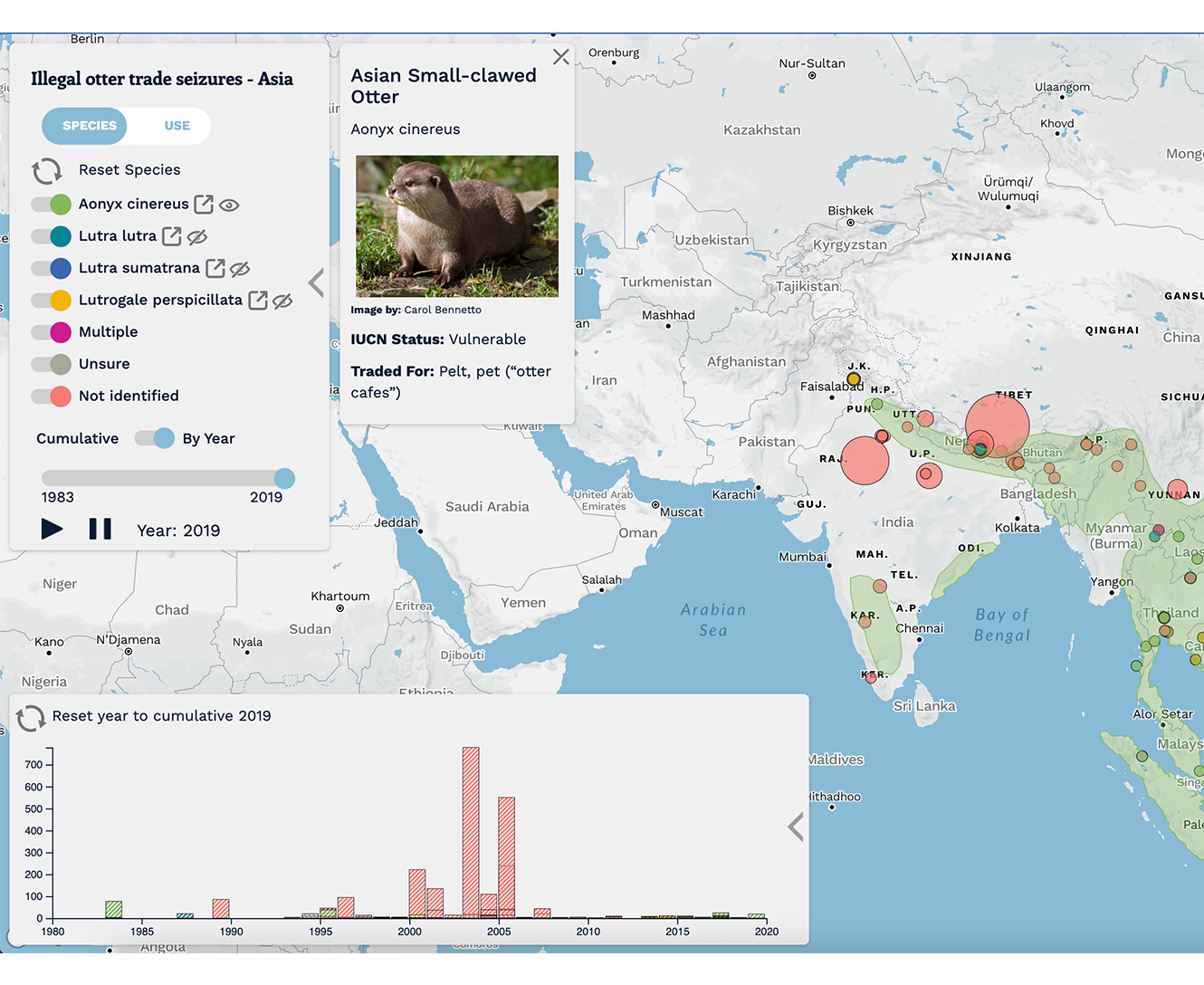
The world is facing an unprecedented spike in illegal wildlife trade, fueled in part by the internet opening up new channels for traffickers.
Over one million pangolins have been poached in the past decade, roughly 70 million sharks are killed every year for their fins, and wild African Grey Parrot populations have been decimated by the pet trade.

Ecosystem Collapse
Deforestation is happening at an unprecedented rate, driven by conversion to agriculture — palm oil and soy in particular — as well as logging and mining. Forests are essential for mitigating climate change and are home to countless species.
The oceans are in an even more precarious state: 60 percent of fisheries are fully fished and 33 percent are overfished, some shark populations have declined by more than 90 percent in recent decades, and plastic pollution kills an estimated 100,000 marine mammals and turtles and a million seabirds every year.
Latest Data Stories

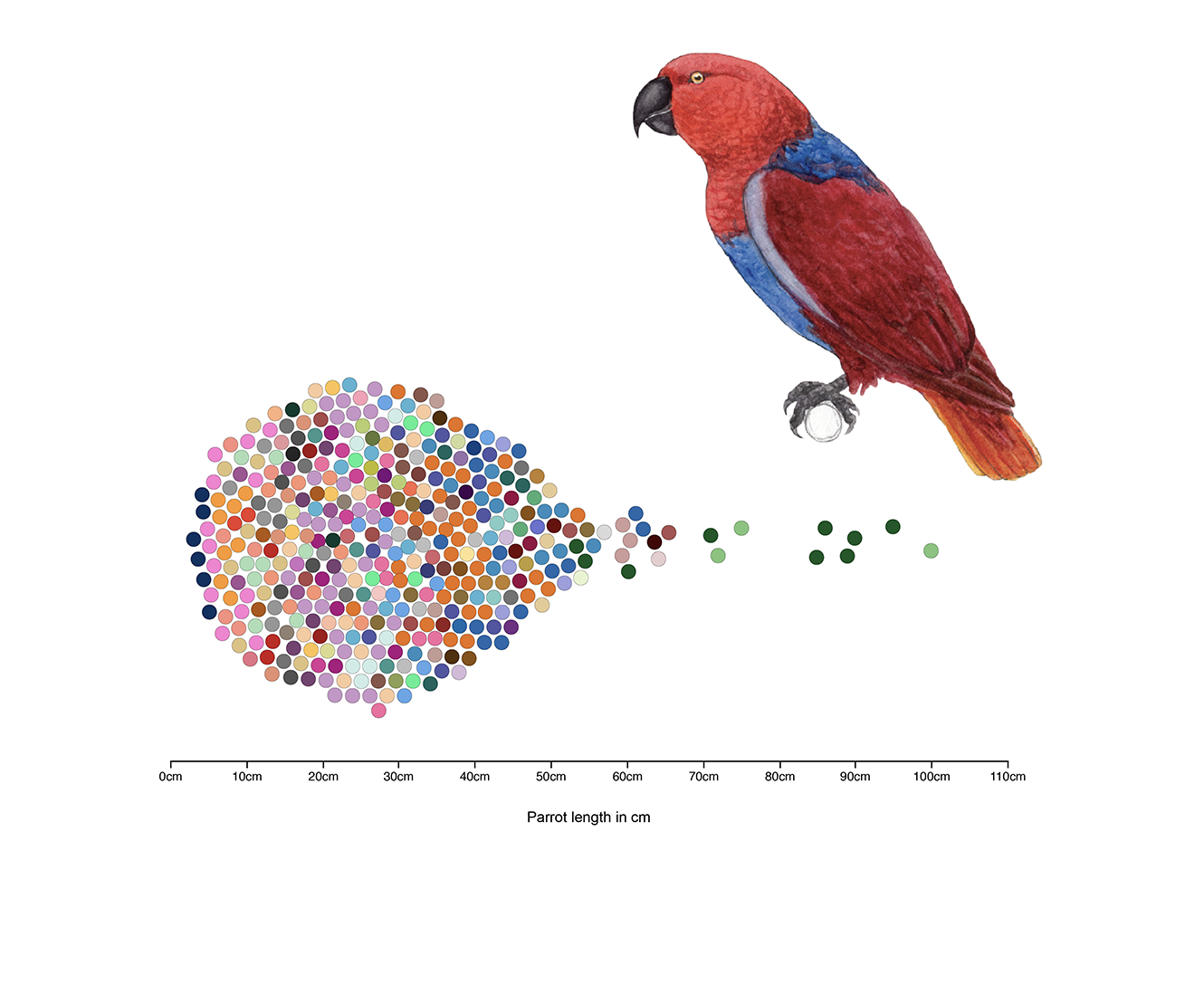
Parrot Plights: The Pet Trade & Habitat Loss
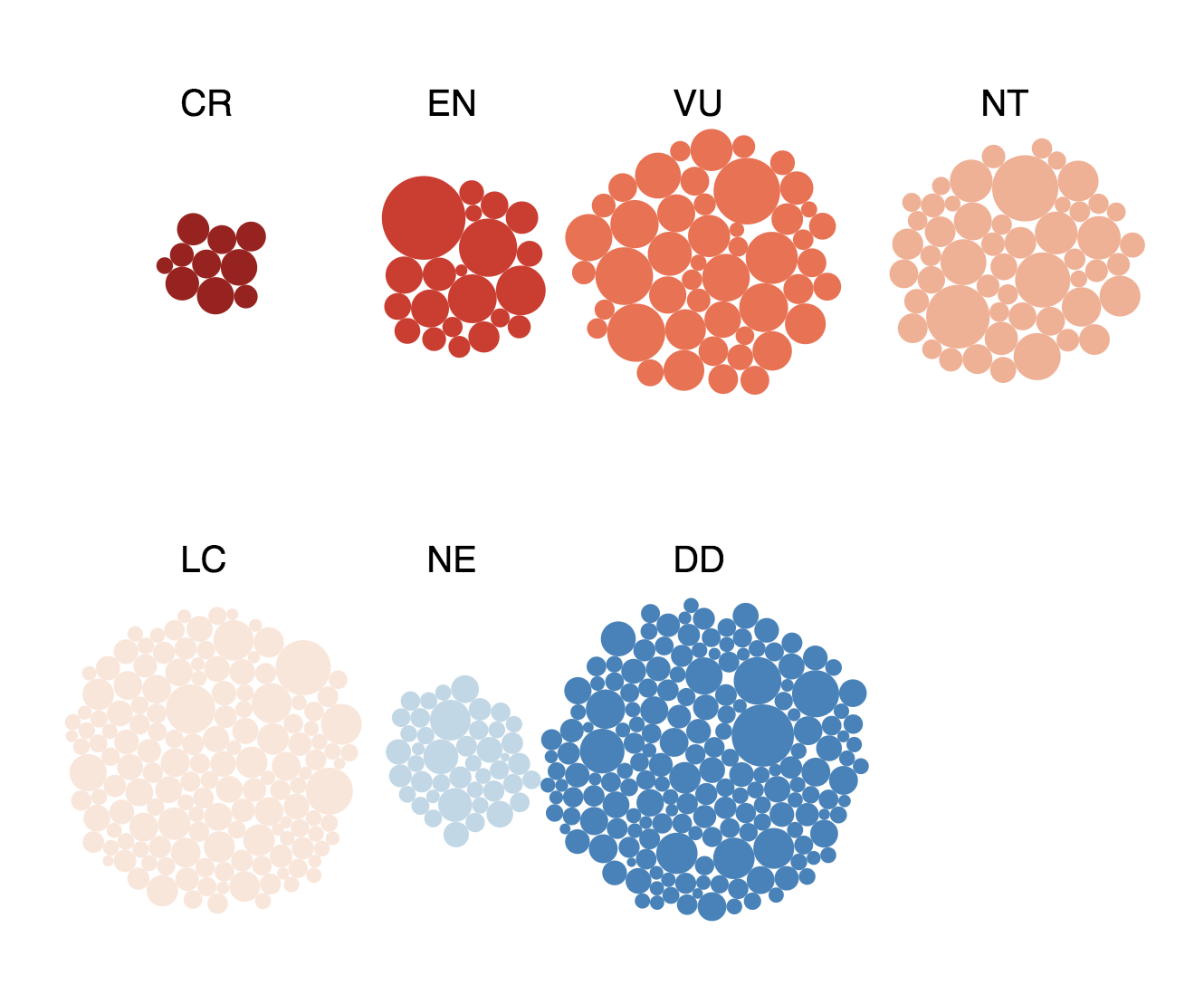
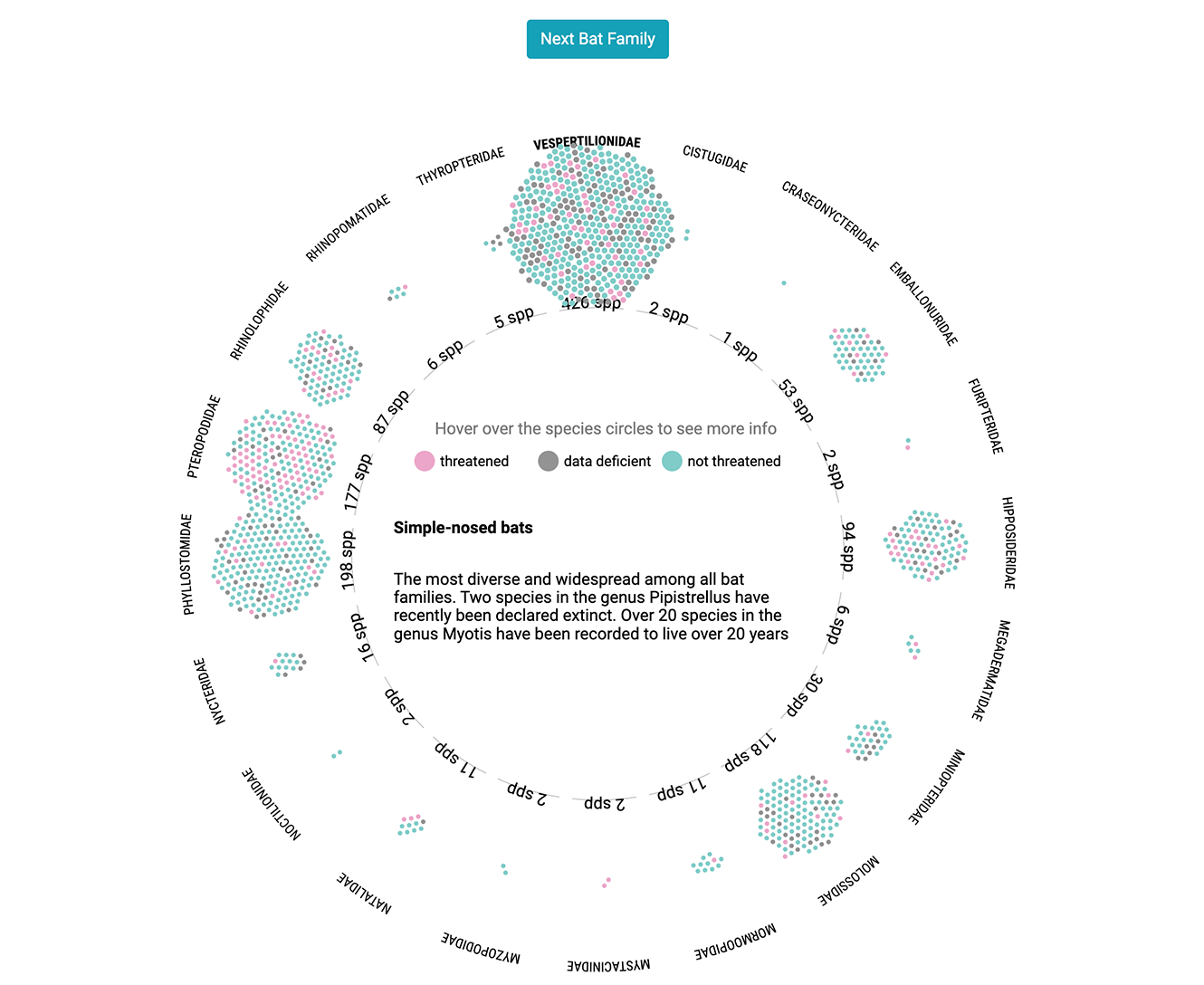
Visualizing Shark Numbers
Entomology Projects
Dedicated visual stories about the insect world, currently in development.
Parthenogenesis
How some insects reproduce without mating at all — and what it means for population resilience in a changing climate.
Mimicry
The evolutionary arms race of looking like something you're not, from weevils mimicing flies to many different orders mimicing wasps.
Small Creatures, Outsized Importance
Insects are the most successful animal group in Earth's 400-million-year history of life — and too little is known about them by the general public and too little effort is being done to conserve them. This section is dedicated to the six-legged majority of species on our planet.
Described insect species — more than every other animal group on Earth combined
Of insect species are in decline, per a 2019 global review of insect populations
Of flowering plant species depend on insects and other animals for pollination
Years insects have existed on Earth, surviving every mass extinction since
“Insects aren't just background noise in nature — they're the scaffolding that holds ecosystems together.”
Why entomology sits at the center of our work
Two of our founding contributors trained as entomologists, and that lens shapes how we tell every story on this platform. Insects pollinate crops, recycle nutrients, and sit at the base of nearly every food web on land, yet they remain one of the least-studied and most under-appreciated groups in the biodiversity crisis.
All Contributors
Julia Janicki
Data Journalist, Data Visualization Designer / Developer, Conservation Biologist / Entomologist
Jack Whisenant
Scientific Illustrator, Entomologist, Artist

Daisy Chung
Science visual communicator, Illustrator, Graphics journalist
Sylvia Janicki
Landscape Architect, Designer
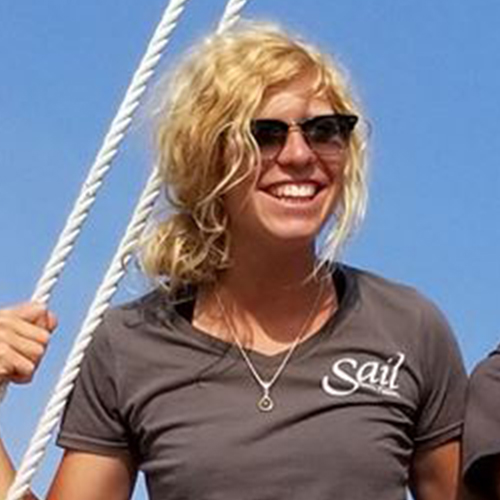
Gwen Whitney
Sailing Captain, Artist
Follow the Journey
Have a story lead, a collaboration idea, or feedback on the project? We'd love to hear from you — drop us a note or find us on social media.